
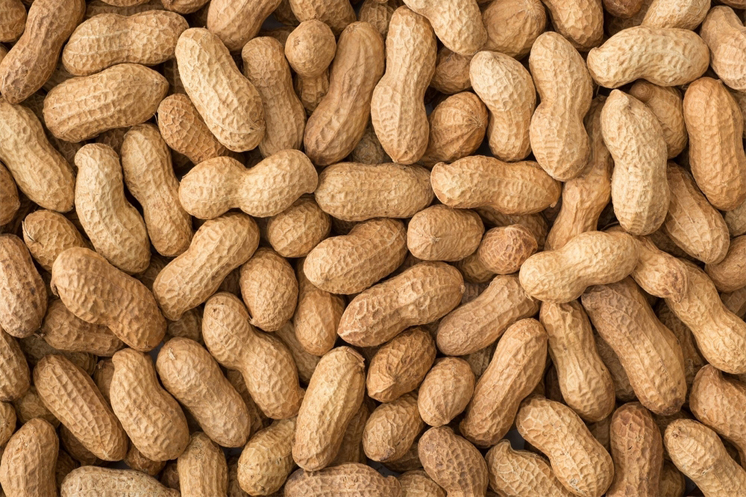
Groundnut, commonly known as peanut (Arachis hypogaea), is a leguminous oilseed crop valued worldwide for its nutritional, agricultural, and economic importance. Botanically unique, the plant flowers above ground but produces its pods underground through a process called geocarpy, which influences its soil and climate requirements. Groundnuts are rich in plant protein, healthy unsaturated fats, vitamin E, B-complex vitamins, and minerals such as phosphorus, potassium, and magnesium, making them an energy-dense and affordable food source.
Agriculturally, groundnuts improve soil fertility through nitrogen fixation and are widely used in crop rotation systems, while economically they support food, oil, confectionery, and animal feed industries. Beyond direct consumption, groundnut by-products such as oil cake and shells are used as livestock feed, organic manure, and biofuel, highlighting the crop’s role in sustainable agriculture and rural livelihoods.