
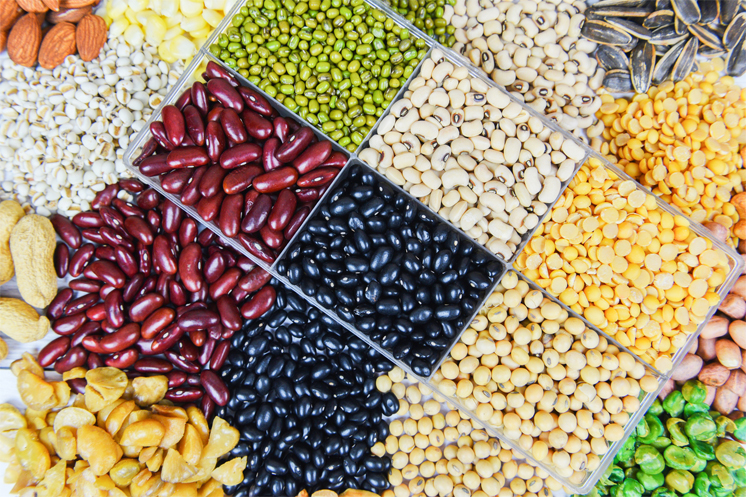
Pulses are dry edible seeds of leguminous plants, such as lentils, chickpeas, dry beans, and peas, and they play a crucial role in global nutrition, agriculture, and environmental sustainability. Rich in plant-based protein, complex carbohydrates, dietary fiber, vitamins (especially B-complex), and essential minerals like iron, zinc, and magnesium, pulses are fundamental to vegetarian and low-meat diets while also helping combat malnutrition.
Agriculturally, pulses are unique because of their symbiotic relationship with nitrogen-fixing bacteria (Rhizobium), which allows them to convert atmospheric nitrogen into soil-usable forms, reducing the need for synthetic fertilizers and improving soil fertility for subsequent crops. This ecological benefit makes pulses central to sustainable farming and crop rotation systems. Historically, pulses have been cultivated for thousands of years and are deeply embedded in traditional cuisines and food cultures across Asia, Africa, the Middle East, and Latin America, while today they are increasingly valued worldwide for their low environmental footprint and role in climate-resilient food systems.